To Sing Frogs Chapter 19b
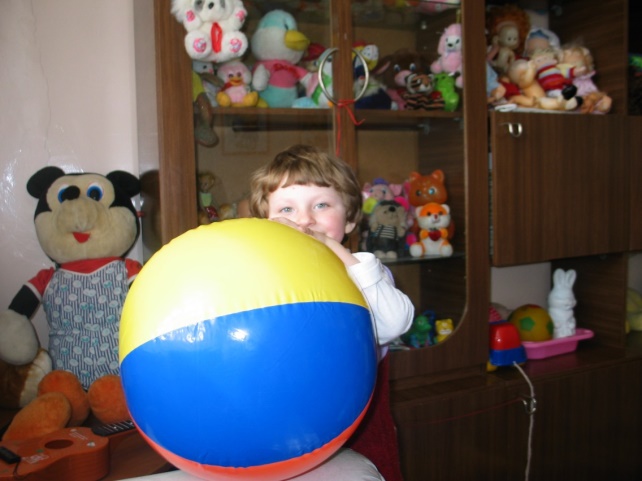 Katya with some of the toys from Luba’s orphanage.
We played with the plastic animals. We pretended to fly the battery-operated airplane. We flashed its bright red light and pushed the button, filling the room with jet engine sounds. We lifted the toy high in the air and rushed around the room, always safely landing on the large area rug that covered most of the playroom. The airplane was the toy Katya had the most fun with. Imagine that.
I grabbed a stuffed monkey and helped him tickle the backs, shoulders, and ribs of the little girls. They screamed and squealed with delight and I watched the corners of Marina-Grigorievna’s lips turn up as she diligently kept her notes. It must be wonderful to help parents build their families. It must be fulfilling when the time for waiting passes. Then you send neglected children through a passage into places of dreams, love, and relative wealth. Marina-Grigorievna’s career had to be the perfect job. It would seem nothing or no one could bring rain to a job like that. Sadly, there are those who can.
Luba was happy to go back to Mama Olga when playtime was over. It was where she wanted to be the most. We all gave her hugs and kisses before we left. Not that she cared.
Katya was excited as she scaled Dyehdushka Bill for the walk out to the car. She was very nervous, though, and kept asking Stass and Anya why Luba wasn’t coming with us. They told her that she and her sister would be together again in a few days. Those words didn’t comfort her. She fidgeted and fussed like a cat searching for her kidnapped kittens while Bill carried her out to the car.
Marina-Grigorievna rode with us. It was dark now and business hours were over. Stass—being polite—asked if we would mind taking Marina-Grigorievna to her house. When the query received the obvious response he asked if we would mind if the social worker went with us to drop off Katya at the orphanage, first. Then we could take Marina-Grigorievna home afterward. She wanted to see the little girl’s reaction, he explained. Stass told us it would take a little longer. He said the social worker would appreciate it if it weren’t a problem for us.
We weren’t going to be back to the hotel until almost midnight, regardless. With jetlag we wouldn’t be able to stay awake for the ride back—no matter how hard we tried. Besides, more time with a person as happy as Marina-Grigorievna was a reward rather than a sacrifice.
We were five minutes away from the orphanage when Katya began to cry. She shrieked. She barked. She wailed. She refused to comply. Then her tears and fits changed from a tantrum to despair. Mournful howls filled the darkness inside the car. They must have echoed into the cold and misty night like the cries of a beast from deep within a cave. The haunting sounds emphasized the painful emptiness of monumental loss. Neither Marina-Grigorievna, nor Stass, nor Anya could console the frantic, wailing child.
“Katya just realized she isn’t going home with you yet,” Anya explained. I guess that’s why she was so upset when we left Luba behind. She thought when she left the orphanage today that she was never going back. Nothing we tell her is working.
Katya tore off her seatbelt and climbed onto Amy’s lap. Then she locked her arms securely around my wife’s neck. Typically Amy would have put her back in the seatbelt. That couldn’t have been the right choice. Katya was hysterical. Rejection certainly wasn’t the answer. Amy held the sobbing child close.
“You poor little girl,” Amy cooed while stroking her back and head. “We’ll be together soon. We just have to wait a little bit longer. We have to wait a little tiny bit longer.”
Over several minutes the crying dwindled into occasional gasps and sobs.
The overgrown trees bordering the property looked different in eerie darkness. Their long drooping branches—that were just beginning to leaf—resembled arms with bony fingers hung low. It was as if they existed for the sole purpose of stopping the progress of anyone who didn’t belong in, or contrarily, out of the orphanage. The ramshackle playground equipment cast long shadows as lights from the car flashed past illuminating areas almost never brightened after dark. We were invaders and could have no idea what was offended by our presence. Still, we could feel it waiting and lurking in the darkness prepared to do all in its power to retain this cache of ill-gotten souls.
Katya blew a gasket when Amy got out of the car. The screaming escalated as the mother carried the child toward the door of the ominous building. Only a few random orange glows emitted from dozens of otherwise pitch-black windows. By the time my wife carried Katya through the doorway and into the staggered rows of etched brick monuments the high-pitched wail was as if it could only be followed by complete silence.
Everyone else visited on the ride to Marina-Grigorievna’s house. I silently stared out the window into blackness. I felt sick. It wasn’t about Katya’s fears and insecurities of being re-imprisoned with her peers. We would be back to see her in a couple of days.
I knew Katya would be fine.
Link to other sections of To Sing Frogs
Link to John M Simmons’ blog
Comments
Leave a comment